Program Overview
The A.S. Environmental Science program provides fundamental math and science preparation, knowledge of current environmental issues, and hands-on training in natural resource management. Through coursework and field experiences, the program prepares you to finish a bachelor's degree in a related field at a four-year institution.
Coursework covers a broad range of environmental conservation, terrestrial and aquatic ecology, field botany, limnology, wildlife management, and other science and natural resource subjects. General Education requirements and electives ensure a well-rounded education while giving you the ability to personalize your course of study.
-
Careers in Environmental Science
Working in wildlife management, forestry, and environmental education involves spending time outdoors and studying plants and animals in their natural habitats. Environmental scientists often work for federal, state, and local governments, managing public lands. Jobs are also available in the private sector and with advocacy organizations.
Environmental Science graduates who earn a related bachelor's degree work in a variety of fields, including:
- Ecological Monitoring and Restoration
- Environmental Education
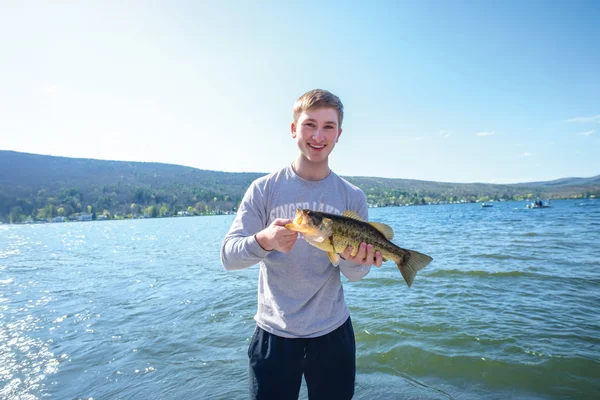
- Fish and Wildlife Management
- Forestry
- Invasive Species Management
- Soil and Water Conservation
- Threatened/Endangered Species Protection
- Wetland Protection and Restoration
Career Snapshot: Environmental Scientists and Specialists
- Median Salary: $82,220 nationally
- Entry-Level Education: Bachelor's degree
- Related Jobs: Conservation Scientist, Forester, Microbiologist, Wildlife Biologist, Zoologist
Explore More Career Pathways: Visit Career Coach or the Bureau of Labor Statistics to compare job titles, education requirements, salary data, and employment outlook.
Where Our Graduates Work
Graduates often begin their careers at federal and New York State agencies dedicated to preserving our natural resources, including:
- Bureau of Land Management
- Department of Health
- Department of Environmental Conservation
- Natural Resources Conservation Service
- National Park Service
- US Fish and Wildlife Service
-
Transfer to a Bachelor’s Degree Program
The Environmental Science (Biophysical Track) A.S. degree prepares you to transfer to a related bachelor’s degree program. You'll take classes that align with the requirements of a future college major.
FLCC partners with other colleges to make your transfer path easier:
- Transfer Agreements outline how FLCC classes and credits transfer to a partner college.
- Joint Admissions Agreements admit you to FLCC and a transfer school at the same time.
Our advisors will help you select courses that fit your goals and make the most of your credits when you transfer.
Where Our Students Transfer
Become a Surveyor, Forest Ranger, or Forester!
Our Forest Technology 1+1 articulation agreement with the SUNY College of Environmental Science and Forestry Ranger School allows you to complete one year of study at FLCC and then transfer to the Ranger School for the second year. Start the program at FLCC and then continue your studies at the impressive 2,800-acre outdoor teaching facilities in Wanakena, NY.
Students in our Environmental Science program go on to earn a bachelor's degree from colleges such as:
- Colorado State University
- Cornell University
- Paul Smith's College
- Rochester Institute of Technology
- Stony Brook University
- SUNY College of Environmental Science and Forestry
- SUNY Brockport
- SUNY Cobleskill
- SUNY Potsdam
- Unity Environmental University
-
Applied Conservation Experiences
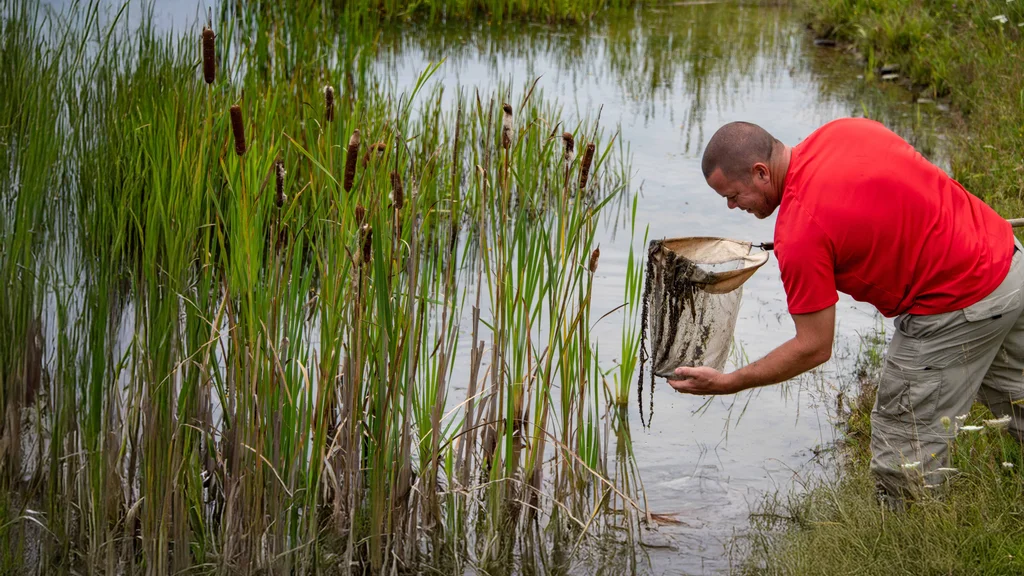
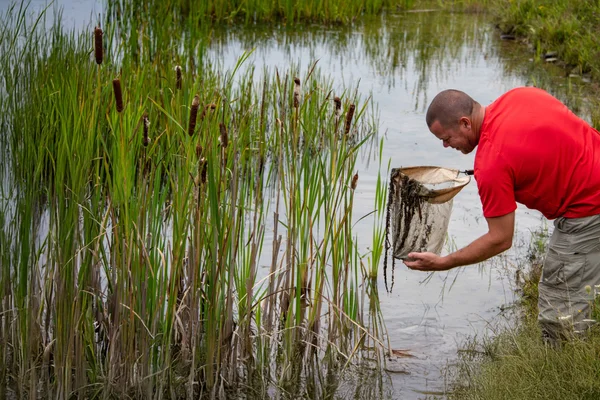
Complete 30 hours of field experience throughout the program. Participate in faculty-led workshops covering species identification, data collection, and the use of standard equipment in fisheries, forestry, limnology, and wetland and wildlife management.
Prepare for your next step by attending at least 3 career and transfer events, developing a professional resume, completing a mock interview, and writing a final reflection.
Field Study and Ecology Expeditions
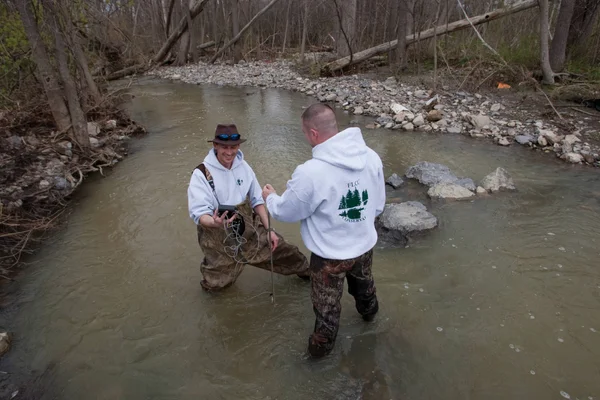
Gain hands-on experience with the tools and technologies used in conservation and wildlife management.
Our environmental education coursework includes:
- Field Work: Take field trips to local fish hatcheries and wildlife refuges, collaborate with conservation agencies, and bond with your classmates on wilderness camping trips.
- Expeditions: Explore unique wilderness areas through our three-credit expedition courses. Students have traveled to the Florida Everglades, the Rocky Mountains, South Africa, Alaska, and East Coast maritime communities. You will have a rare opportunity to observe and study the animals, birds, plants, and geology of these natural areas. FLCC professors design the itineraries for these expeditions, and the trips often include camping, backpacking, kayaking, and hiking.
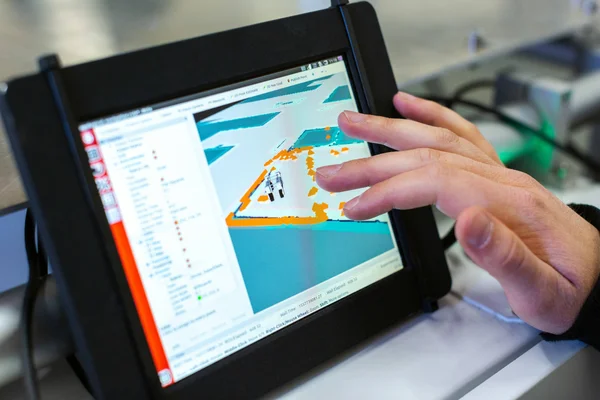
- Technology: Practice using industry-standard research tools, including trail cameras, electrofishing gear, water-quality probes, GIS software, and wildlife-tracking radio-telemetry devices.
- Research: Participate in research conferences by collecting data from environmental field studies, analyzing the results, preparing reports, and presenting your findings.
-
Environmental Science Courses
Sample core courses you'll take in this program include:
- BIO 121 - General Biology I
- BIO 122 - General Biology II
- BIO 221 - Terrestrial/Aquatic Ecology
- BIO 221L - Prin of Terrestrial/Aquatic Ecology Lab
- CON 100 - First Year Experience in Conservation
- CON 102 - Introduction to Fish and Wildlife
- CON 103 - Environmental Science
- CON 224 - Dendrology and Field Botany
- CON 270 - Applied Conservation Experiences
- HRT 280 - Field Entomology W/ Integrated Pest Mgmt
Visit our academic catalog for a complete list of program requirements. Review prerequisites, general education requirements, electives, and a sample schedule.
Earn this Degree for Free with SUNY Reconnect
Complete your associate degree in this high-demand field at no cost. If you are a New Yorker between the ages of 25 and 55, review the eligibility criteria to take advantage of this cost-saving opportunity.
Field Stations
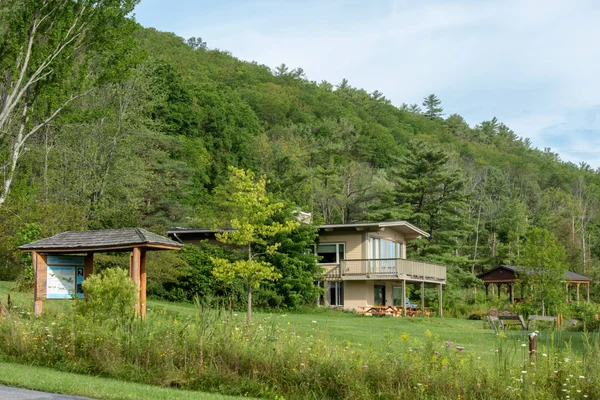
FLCC has facilities designed for environmental and wildlife education, including an arboretum, a greenhouse, and two field stations.
- The Muller Field Station, located on the southern end of Honeoye Lake, where you can participate in lab work, help in the fish hatchery, and engage in community outreach and local research projects.
- East Hill Campus, located near the High Tor Wildlife Management area in Naples, where you can take part in camping, hiking, wildlife, and nature classes.
What Our Students Say
The nature of the classes in Environmental Science makes the whole department feel close. The field work opportunities and interactive outdoor labs make it easier to get to know people. The teachers are always doing research outside of class and excited to put students to work at the two field stations.
Low-Cost Tuition and Scholarship Opportunities
Earn an affordable SUNY education at FLCC. With low in-state tuition, financial aid, and scholarships that can help reduce your program costs, you can make a confident plan to pay for college. Our financial aid team can help you review your estimated expenses and the steps to apply for aid.
$5,616
annual in-state tuition ($234 per credit hour).
Review Costs and Tuition
81%
of students are eligible for financial aid or scholarships.
Browse All Scholarships
$23M
in financial aid was awarded to our students last year.
Learn About Financial Aid
Related Programs
Environmental Science (Biophysical Track)
Fish and Wildlife Technology
Geographic Information Systems (GIS)
Horticulture (Cannabis Biology and Cultivation Track)
Horticulture
Horticulture
Natural Resources Conservation
Natural Resources Conservation