Program Overview
This program focuses on the science behind biofuels, genetically modified foods, biomanufacturing, cell and tissue culture, drug development, protein expression and purification, and recombinant DNA technology. You'll also have opportunities to participate in undergraduate research projects through the Community College Undergraduate Research Initiative (CCURI).
-
Careers in Biotechnology
Careers in biotech advance research in medicine, farming, and environmental sustainability. You'll operate advanced lab equipment, collect samples, and conduct experiments. Use science, curiosity, and problem-solving to fuel innovation and address global issues.
Find work in industries like pharmaceuticals, biotech, higher education, and government.
Career Snapshot: Biological Technicians
- Median Salary: $57,510 nationally
- Entry-Level Education: Bachelor's degree
- Related Jobs: Agricultural and Food Scientists, Clinical Laboratory Technologists, Environmental Science and Protection Technicians, Medical Scientists, Microbiologists
Explore Career Pathways: Visit Career Coach or the Bureau of Labor Statistics to learn about education requirements, earning potential, and more.
-
Transfer to a Bachelor’s Degree Program
The Biotechnology A.S. degree prepares you to transfer to a related bachelor’s degree program. You'll take classes that align with the requirements of a future college major.
FLCC partners with other colleges to make your transfer path easier:
- Transfer Agreements outline how FLCC classes and credits transfer to a partner college.
- Joint Admissions Agreements admit you to FLCC and a transfer school at the same time.
Our advisors will help you select courses that fit your goals and make the most of your credits when you transfer.
Where Our Students Transfer
Students in our Biotechnology program go on to earn a bachelor's degree from colleges such as:
- Cornell University
- Rochester Institute of Technology
- SUNY Brockport
- SUNY College of Environmental Science and Forestry
- SUNY Oswego
- Syracuse University
-
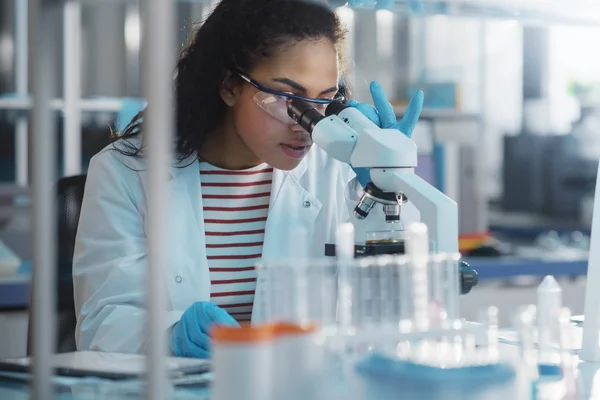
Biotechnology Lab at FLCC
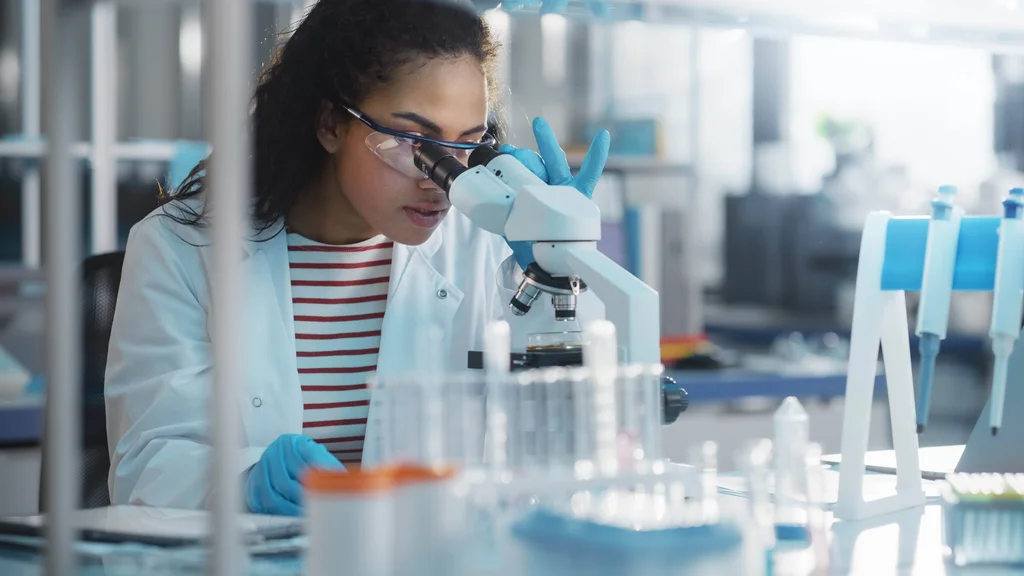
Much of your coursework takes place in our state-of-the-art biotechnology lab. Here, you'll gain hands-on experience with scientific research methods and industry-standard lab techniques.
Learn how to use cell culture and cryogenic equipment, bioreactors, and electrophoresis equipment. You can expect one-on-one classroom instruction focusing on new, groundbreaking techniques in biotechnology.
Connect With Employers
Develop your professional network, find job opportunities, and connect with biotech experts while you're still a student. Our instructors have strong professional connections with biotech employers and transfer institutions. Faculty use the National Science Foundation-funded innovATEBIO community to help you find the next step to reach your goals.
-
Biotechnology Courses
Sample core courses you'll take in this program include:
- BIO 121 - General Biology I
- BIO 122 - General Biology II
- BIO 222 - Introduction to Cell Biology
- BIO 230 - Microbiology
- BIO 240 - Principles of Genetics
- BIO 241 - Laboratory in Genetics
- BIO 283 - Electrophoresis
- BIO 286 - Cell and Tissue Culture Techniques
- BIO 287 - Introduction to Biomanufacturing I
- BIO 288 - Introduction to Biomanufacturing II
- BIO 291 - Research Methods in Biology
- CHM 121 - General Chemistry I
- CHM 122 - General Chemistry II
- FYS 130 - First Year Seminar in Science
Visit our academic catalog for a complete list of program requirements. Review prerequisites, general education requirements, electives, and a sample schedule.
Real-World Research Opportunities for Students
When you study the sciences at FLCC, you'll apply class concepts to real-world research projects. The Community College Undergraduate Research Initiative (CCURI) provides learning experiences designed to promote a deep understanding of the process of science while also providing you with opportunities to get involved with ongoing research projects.
Low-Cost Tuition and Scholarship Opportunities
Earn an affordable SUNY education at FLCC. With low in-state tuition, financial aid, and scholarships that can help reduce your program costs, you can make a confident plan to pay for college. Our financial aid team can help you review your estimated expenses and the steps to apply for aid.
$5,616
annual in-state tuition ($234 per credit hour).
Review Costs and Tuition
81%
of students are eligible for financial aid or scholarships.
Browse All Scholarships
$23M
in financial aid was awarded to our students last year.
Learn About Financial Aid
Explore Our Related Programs

AI Integration Specialist
Architectural Technology
Biotechnology

Cloud Computing

Computer Information Systems
Computer Science
Engineering Science
Game Programming and Design