Program Overview
Prepare for a career that creates positive change for others. Gain the knowledge and skills required by the New York State Office of Addiction Services and Supports (OASAS). Coursework focuses on current issues in chemical dependency, professional ethics, and counseling skills.
Learn how to complete biopsychosocial evaluations and facilitate therapy sessions through real-world simulations and scenarios. Fieldwork provides practical experience supporting clients in a variety of in-patient and out-patient facilities.
-
Careers in Social Services
The need for chemical dependency counselors and substance abuse treatment services is growing. After earning your degree and passing the NYS OASAS exam, you'll be ready to begin a career as a chemical dependency counselor. You'll receive your CASAC-T certificate, which allows you to apply for your OASAS trainee credential and start working at a treatment agency. Learn more about OASAS and CASAC credentials.
Explore Career Pathways: Visit Career Coach to compare job titles, education requirements, salary data, and employment outlook.
-
Transfer to a Bachelor’s Degree Program
The Chemical Dependency Counseling A.A.S. program prepares you for the workforce right away and provides a pathway to a related bachelor's degree. If you plan to transfer, you can choose classes that align with your future major’s requirements.
FLCC partners with other colleges to make your transfer path easier:
- Transfer Agreements outline how FLCC classes and credits transfer to a partner college.
- Joint Admissions Agreements admit you to FLCC and a transfer school at the same time.
Our advisors will help you select courses that fit your goals and support your transfer plans.
Where Our Students Transfer
Students in our Chemical Dependency Counseling program go on to earn a bachelor's degree at colleges such as:
- Keuka College
- SUNY Brockport
- SUNY Empire State College
-
Professional Work Experience
Complete a 300-hour internship at an OASAS-licensed agency that matches your professional goals, including:
- Finger Lakes Area Counseling and Referral Agency (FLACRA)
- Clifton Springs Hospital and Clinic
- Seneca County Addictions
- Cayuga Addiction Recovery (CARS)
- Finger Lakes Treatment Court
As an intern, you'll gain experience that prepares you for your career. Your responsibilities will include completing diagnostic interviews, recording progress notes, leading group sessions, and more under the supervision of a certified chemical dependency counselor.
-
Chemical Dependency Counseling Courses
Sample core courses you'll take in this program include:
- CDC 102 - Concepts of Chemical Dependency
- CDC 103 - Issues in Chemical Dependency
- CDC 115 - Issues in Ethics for CDC
- CDC 200 - Addiction Counseling
- CDC 210 - Field Experience Practicum I
- CDC 211 - Field Experience Practicum II
Visit our academic catalog for a complete list of program requirements. Review prerequisites, general education requirements, electives, and a sample schedule.
Earn this Degree for Free with SUNY Reconnect
Complete your associate degree in this high-demand field at no cost. If you are a New Yorker between the ages of 25 and 55, review the eligibility criteria to take advantage of this cost-saving opportunity.
What Our Students Say
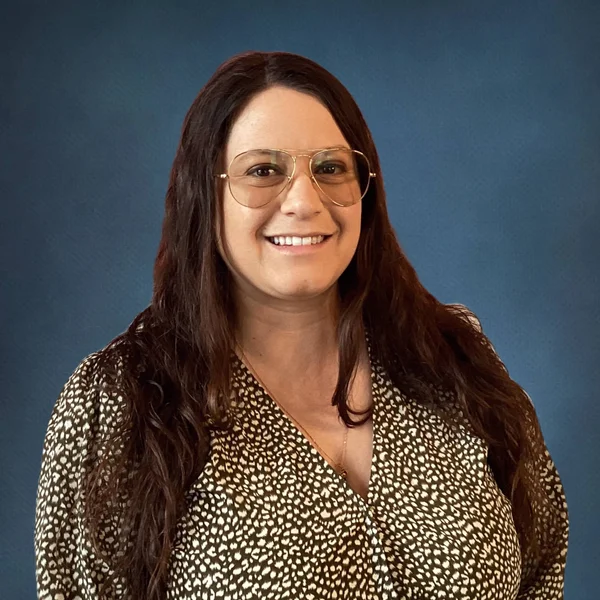
I completed my field experiences at Helio Health—a detox and inpatient center. I helped with intakes and meds and led group sessions. I really enjoy working with the counselors because of their client-centered approach. The program gave me a whole different perspective on current issues in addiction and rehabilitation, and now I can contribute my voice to these difficult conversations.
Low-Cost Tuition and Scholarship Opportunities
Earn an affordable SUNY education at FLCC. With low in-state tuition, financial aid, and scholarships that can help reduce your program costs, you can make a confident plan to pay for college. Our financial aid team can help you review your estimated expenses and the steps to apply for aid.
$5,616
annual in-state tuition ($234 per credit hour).
Review Costs and Tuition
81%
of students are eligible for financial aid or scholarships.
Browse All Scholarships
$23M
in financial aid was awarded to our students last year.
Learn About Financial Aid
Related Programs

Chemical Dependency Counseling
Childhood Education (Teacher Education Transfer)

Corrections Officer

Credentialed Alcohol and Substance Abuse Counselor Trainee (CASAC-T)

Criminal Justice

Criminal Justice

Human Services
Physical Education and Exercise Science